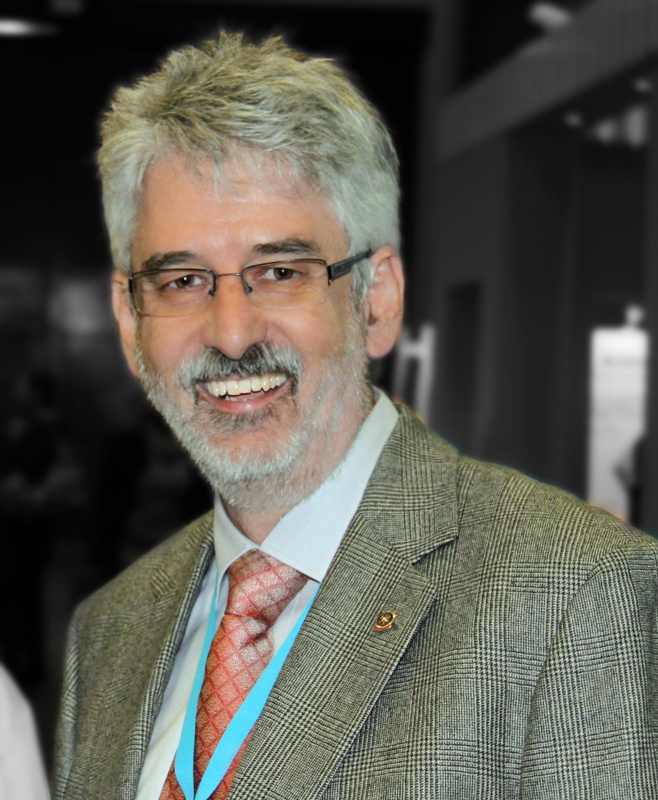
The Cannabis in Flux Workshop hosted by Lucas Richert at the University of Wisconsin-Madison School of Pharmacy is a collaborative effort aimed at the workshopping of early and late-stage writing projects, developing teaching outputs, fostering grant-writing, and connecting cannabis history with policy. A core feature of this workshop is to bring together scholars at varying stages of their careers to workshop projects and develop new ideas across the fields of 1) drug and alcohol history, 2) history of pharmacy and pharmaceuticals, and 3) history of medicine and science. While history is a key methodological and disciplinary anchor, the workshop encourages cross-disciplinary and diverse perspectives. The goal of the workshop is to create an edited book for publication.
Featured speakers:

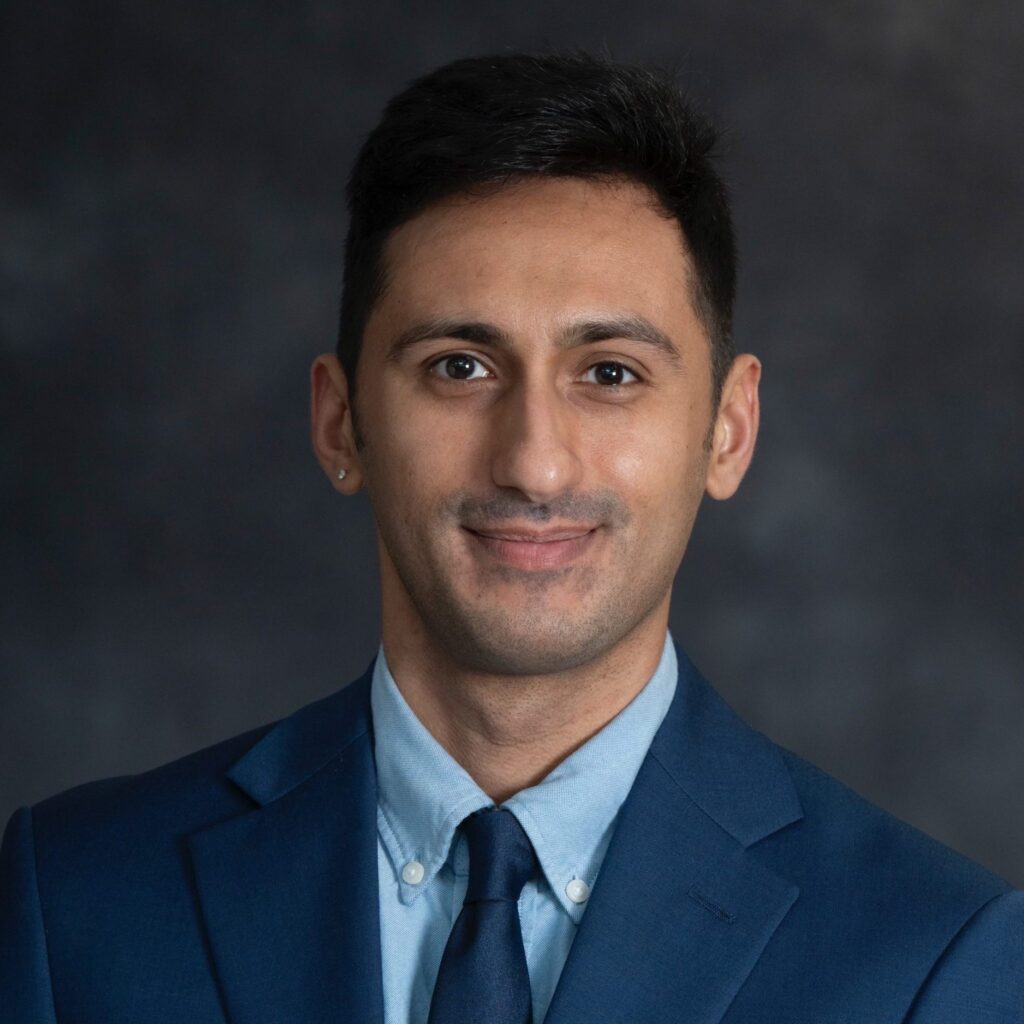
Adam Vine is a writer, researcher, video producer, and Master’s student at the University of Connecticut in the Intersectional Indigeneity, Race, Ethnicity, and Politics (IIREP) program. He has worked in the overlapping worlds of advocacy, media, and politics since 2008, with a focus on criminal justice reform, drug policy reform, and racial and socio-economic justice. He has organized national record clearance events, coordinated youth-led protests in Los Angeles, and produced media for non-profits and progressive campaigns. He lives in southeastern Connecticut.

John Dieck (he/him) is a Ph.D. candidate in History at the University of Minnesota. His research examines the onset, experience, and legacies of European colonialism in the modern Maghrib. John’s dissertation project centers Moroccan tobacco and cannabis–two economically, socially, and politically important commodities–within the history of the country’s colonization by France and Spain in the 20th century. He draws from a source base spanning the Arabic, English, French, and Spanish languages collected in Morocco, France, Spain, and the United States. Financial and logistical support come from various organizations, including the Fulbright-Hays Program, the American Institute for Maghrib Studies, and the Centre Jacques Berque in Morocco. John has taught history courses covering the Middle East, North Africa, and the Mediterranean. He actively encourages his students, particularly those that identify as BIPOC, to study, research, and participate in language immersion abroad. He is originally from Miami, Florida and is of Colombian descent.

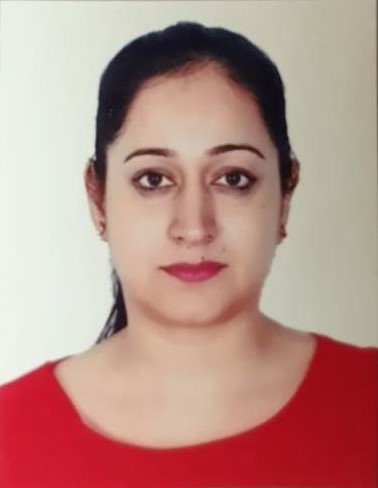
Kawal Deep Kour is a Narcotics Research Scientist-Prevention and Policy with the Institute for Narcotics Studies and Analysis, New Delhi, India. Her work is focussed on prevention strategies and policy development related to narcotic substances. She has authored three books on the history and economics of opium-the History of Intoxication-Opium in Assam 1800-1959 (Routledge, 2019), Opium Consumption and Experience in India, from the earliest to contemporary times (Academica Press, 2023) and the Ghazipur Opium Mint-1820 to the present (Academica Press, 2023) and has several publications. Dr. Kour has been a Member of Board of the International Society for the Study of Drug Policy (ISSDP), UK, 2017-2022. She was inducted into the Network of Experts of the Global Initiative Against Transnational Organized Crime (GI-TOC) in 2024.

Professor Jim Mills teaches and researches in three subject areas, the social history of psychoactive substances, the histories of health and medicine more broadly, and also the experiences of colonialism and imperialism, particularly in Asia. His work has tackled encounters in Britain, India, Africa and across global history. He has previously published on psychiatric institutions in south Asia, and on the history of cannabis in Britain and its former empire. He is currently exploring the growth of markets for modern pharmaceuticals in Asia between 1900 and 1945 through a Wellcome-Trust funded project on cocaine consumption and control in China, India, Myanmar and the Philippines.

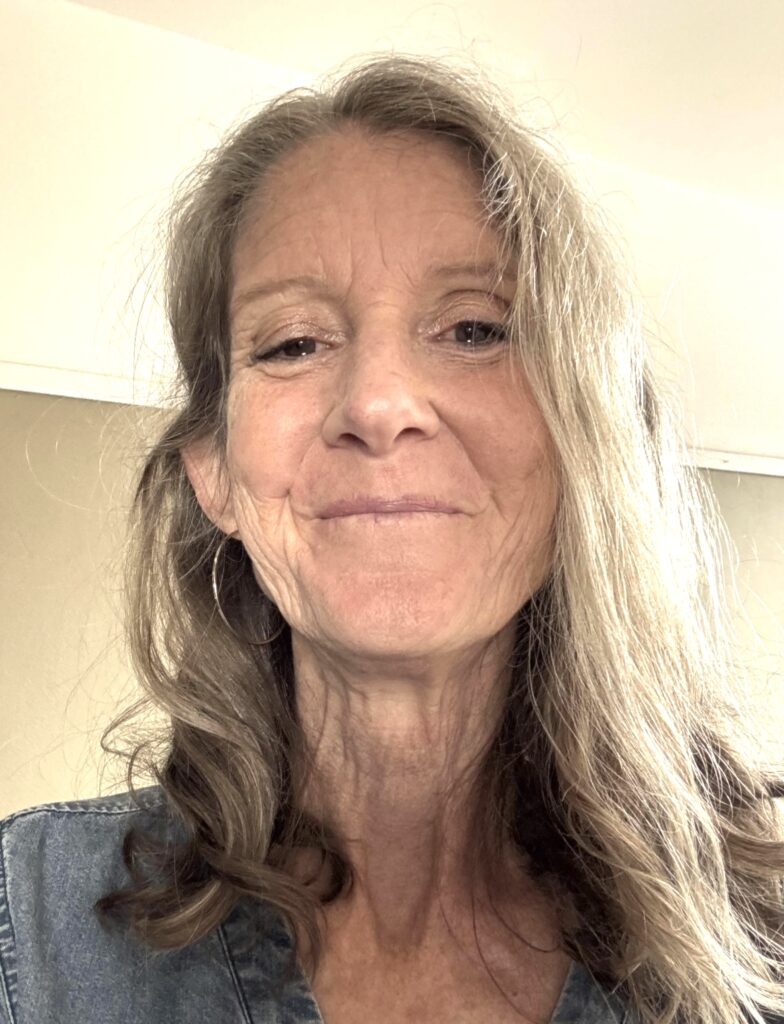
Thembisa Waetjen is a National Research Foundation rated researcher and professor of history at the University of Johannesburg. She writes about South African cultural histories and state-formation through the lens of cannabis and opiates. Recent articles include “Settling Dagga? Shifting frontiers of Cannabis Knowledge and Governance in 20th c South Africa (with Perside Ndandu, 2023) and “A blue coat: The addict and the unspeakable girl in South Africa’s colonial archive” (Thesis Eleven, 2024). She has edited Opioids in South Africa: Towards a Policy of Harm Reduction (2019). In 2024 she received South Africa’s National University Teaching Award (NUTA), for a digital archive building project involving 600 first-year undergraduate students in her global history class, who documented local experiences of Covid-19 and lockdown.

Andy Gray BPharm, MSc (Pharm), PhD, FPS, FFIP is is a Senior Lecturer in the Division of Pharmacology, Discipline of Pharmaceutical Sciences, University of KwaZulu-Natal, Durban, South Africa. He is co-director of the WHO Collaborating Centre on Pharmaceutical Policy and Evidence Based Practice. He is also Honorary Senior Scientist: Consultant Pharmacist for the Centre for the AIDS Programme of Research in South Africa (CAPRISA). Dr Gray is a Visiting Fellow in the Faculty of Pharmacy, Rhodes University, Makhanda. He is currently a Director of the International Pharmaceutical Federation (FIP) Foundation for Education and Research. He was appointed to the South African National Essential Medicines List Committee in 2013 and is co-chair of its Expert Review Committee. He is currently chair of the Names and Scheduling Committee of the South African Health Products Regulatory Authority (SAHPRA) and serves on its Legal Committee and Pharmacovigilance Committee. He is a Member of the World Health Organization’s Expert Panel on Drug Policies and Management. He has been actively involved in the development and assessment of medicines and other health-related law in South Africa.
Access the Pharmacy in History JSTOR Archive
All past issues of Pharmacy in History have been digitized and are text-searchable at JSTOR.
Note: Academic libraries seeking subscriptions to History of Pharmacy and Pharmaceuticals should directly contact the University of Wisconsin Press.
Read MoreUpcoming events hosted by AIHP
December 17, 2025, 11:00 am (Central): Pharmacy History Working Group: Beyond medical pluralism: Interactions between physician-pharmacists and other craftspeople in the Graeco-Roman world with Laurence Totelin, Cardiff University.
January, 21, 2026, 11:00 am (Central): Pharmacy History Working Group: Spring Semester Welcome Back Event: A critical reading of Jacqueline Susann's Valley of the Dolls, hosted by Kelly O'Donnell, Towson Unviersity.
February 18, 2026, 11:00 am (Central): Pharmacy History Working Group: Audrey Ke Zhao, UC Santa Cruz & CHSTM Research Fellow
March 18, 2026, 11:00 am (Central): Pharmacy History Working Group: Ryan A. Kashanipour, University of Arizona
Read More
Upcoming events of interest to pharmacists and historians of pharmacy, pharmaceuticals, medicines, science, and related fields.
December 7-11, 2025: ASHP Midyear, Las Vegas, NV.
January 14, 2026: JCPP January 2026, Alexandria, VA.
March 27-30, 2026: APhA 2026, Los Angeles, CA.
April 18-21, 2026: NACDS Annual Meeting, Palm Beach, FL.
June 3-7, 2026: AAHM 2026, Buffalo, NY.
June 13-17, 2026: ASHP Pharmacy Futures, Charlotte, NC.
June 25, 2026: JCPP June 2026, Alexandria, VA.
July 18-21, 2026: AACP Pharmacy Education, Grapevine, TX.
September 17, 2026: JCPP September 2026, Alexandria, VA.
October 3-6, 2026: 2026 NCPA Annual Convention, Kansas City.